@rkbest said in pfsense error (s) loading the rules: /tmp/rules.debug:95: errors in queue definition - internet very choppy and unusable:
choppy internet beyond i can use with all my IOT offline and wifi not working
That's 3 different things.
Afaik : the common factor might be : power ?
If wifi (radio waves) don't work, check the AP, using 'scanning' to see if other APs are using the same channel (frequency), etc.
IOT offline : if these are connected over radio (wifi) and not cable, the see suggestion above.
If the IOT are wired : to access them, you don't need pfSense **.
Choppy Internet : the WAN interface is identical as the LAN, so you could swap tyheir position to isolate a potential bad interface. if the interface is ok, go check the device where the pfSense WAN is connected to. Example : my WAN can't go down as I power both (ISP router and pfSense) with a double UPS, so even if my ISP goes down (like what they tested in Spain two days ago) my WAN will stay up. No Internet of course - that's logic..
** but pfSense will needed to hand over an initial DHCP lease = correct IP /network info, as without this info nothing will work.
@rkbest said in pfsense error (s) loading the rules: /tmp/rules.debug:95: errors in queue definition - internet very choppy and unusable:
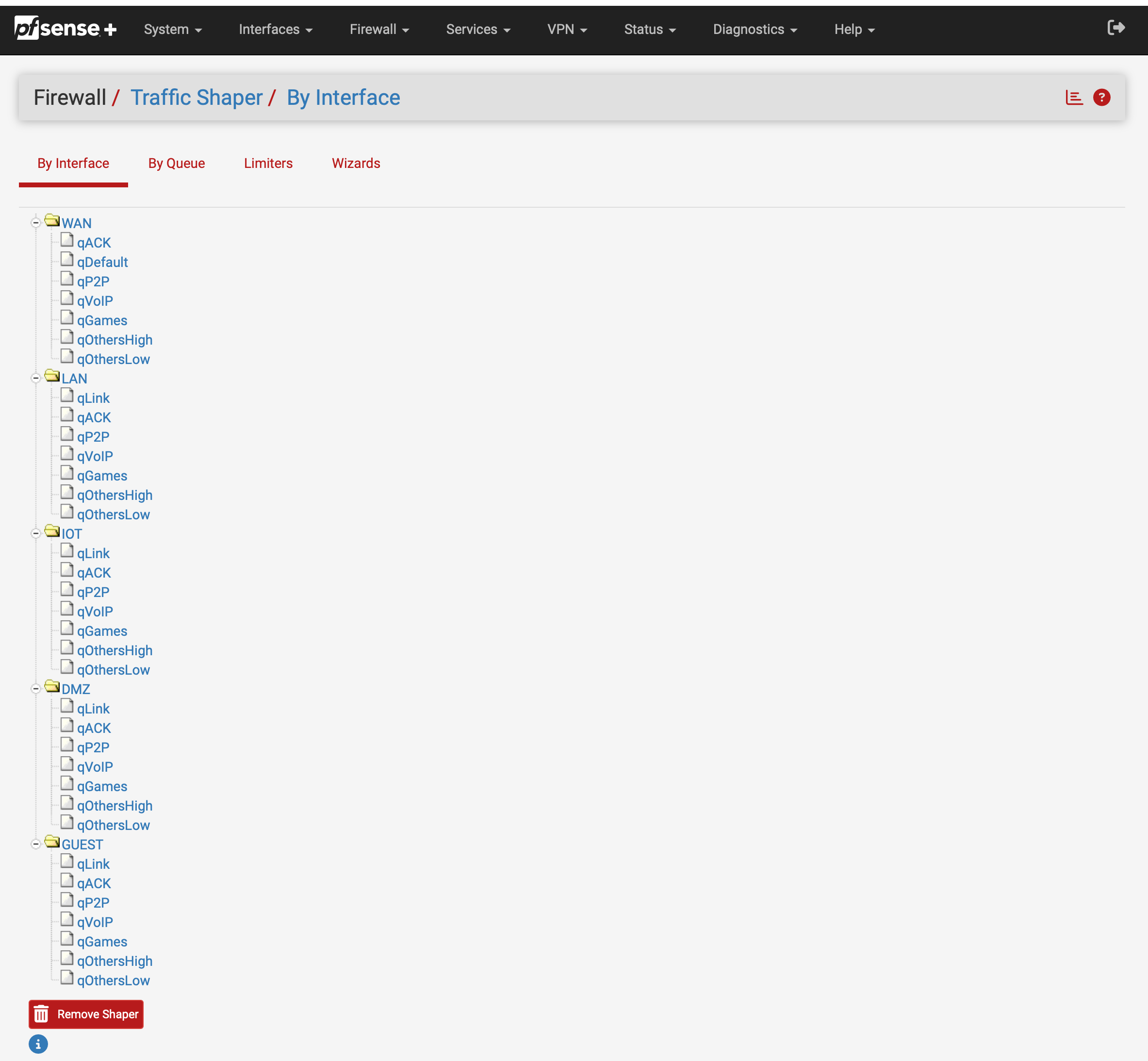
There were error(s) loading the rules: /tmp/rules.debug:95: errors in queue definition - The line in question reads [95]: queue qLink on igc1 priority 2 qlimit 500 priq ( ecn , default )
How do i fix this?
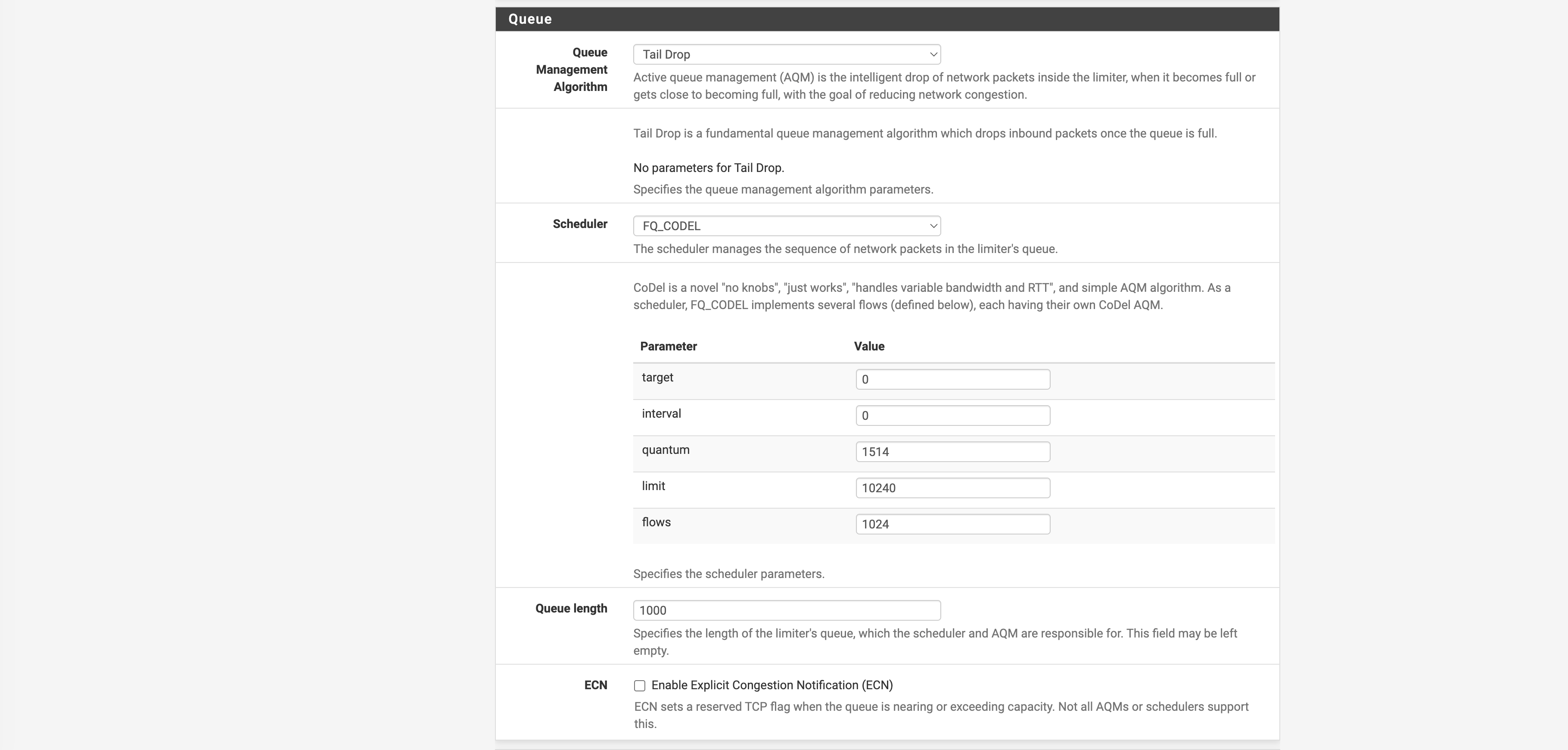
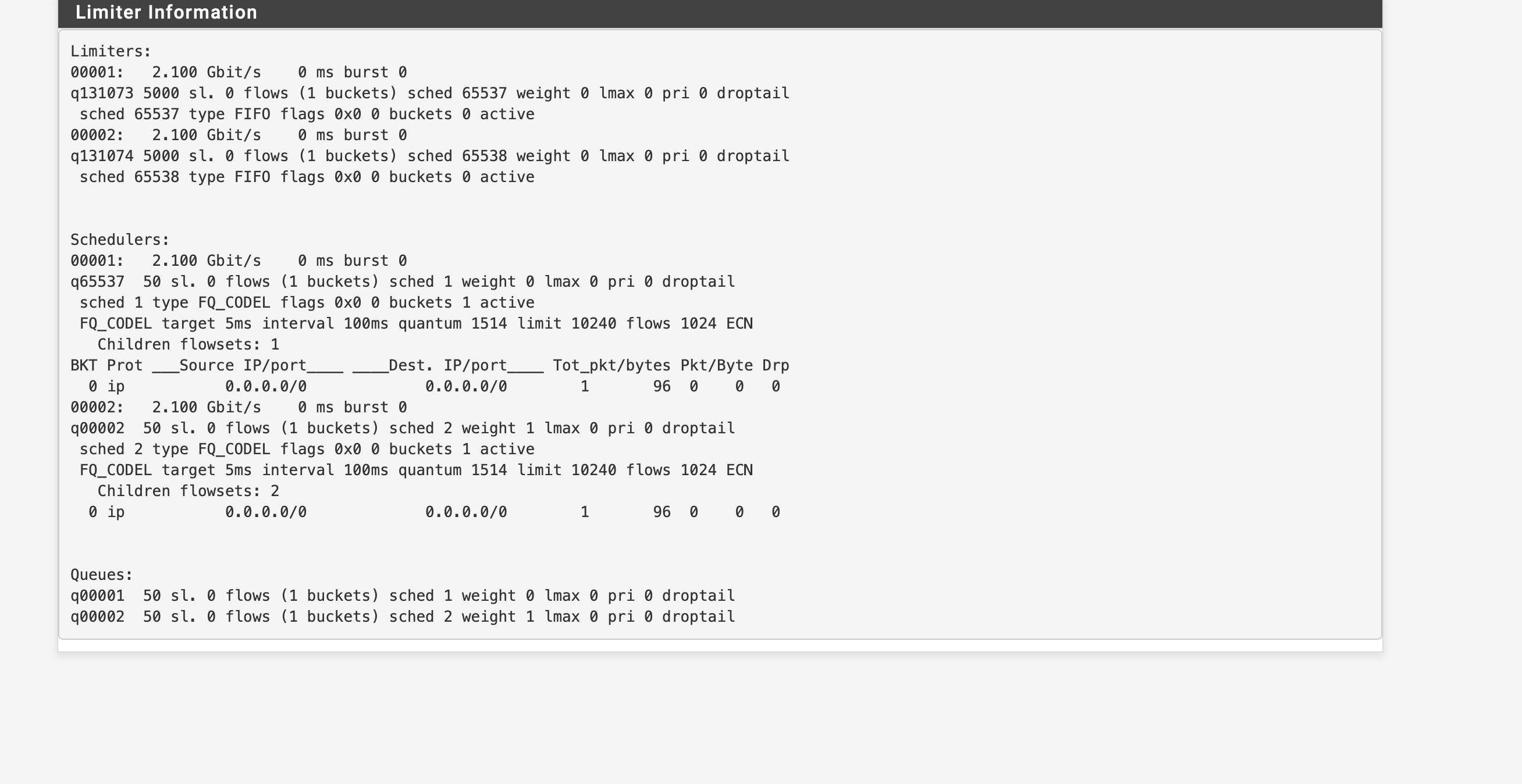
Start telling us how you've set up queues, limiters ?
This file /tmp/rules.debug (the firewall rules) : line 93,95 95 and 96, what does it contain ?
edit : no I think a bit more about this message, knowing that network queues is internal kernel stuff : if something goes bad, this will / might impact all interfaces ...
What pfSense version ?