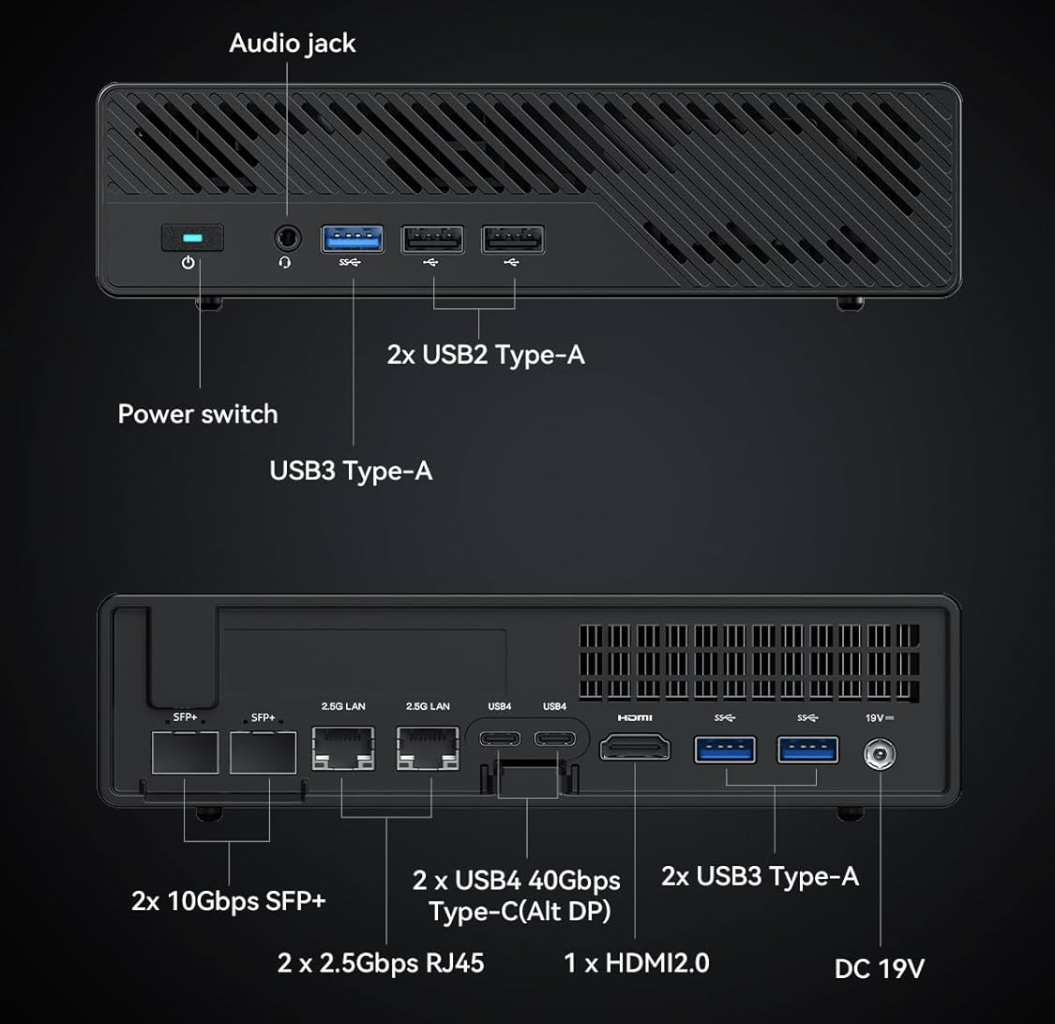
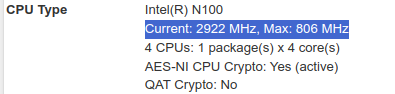
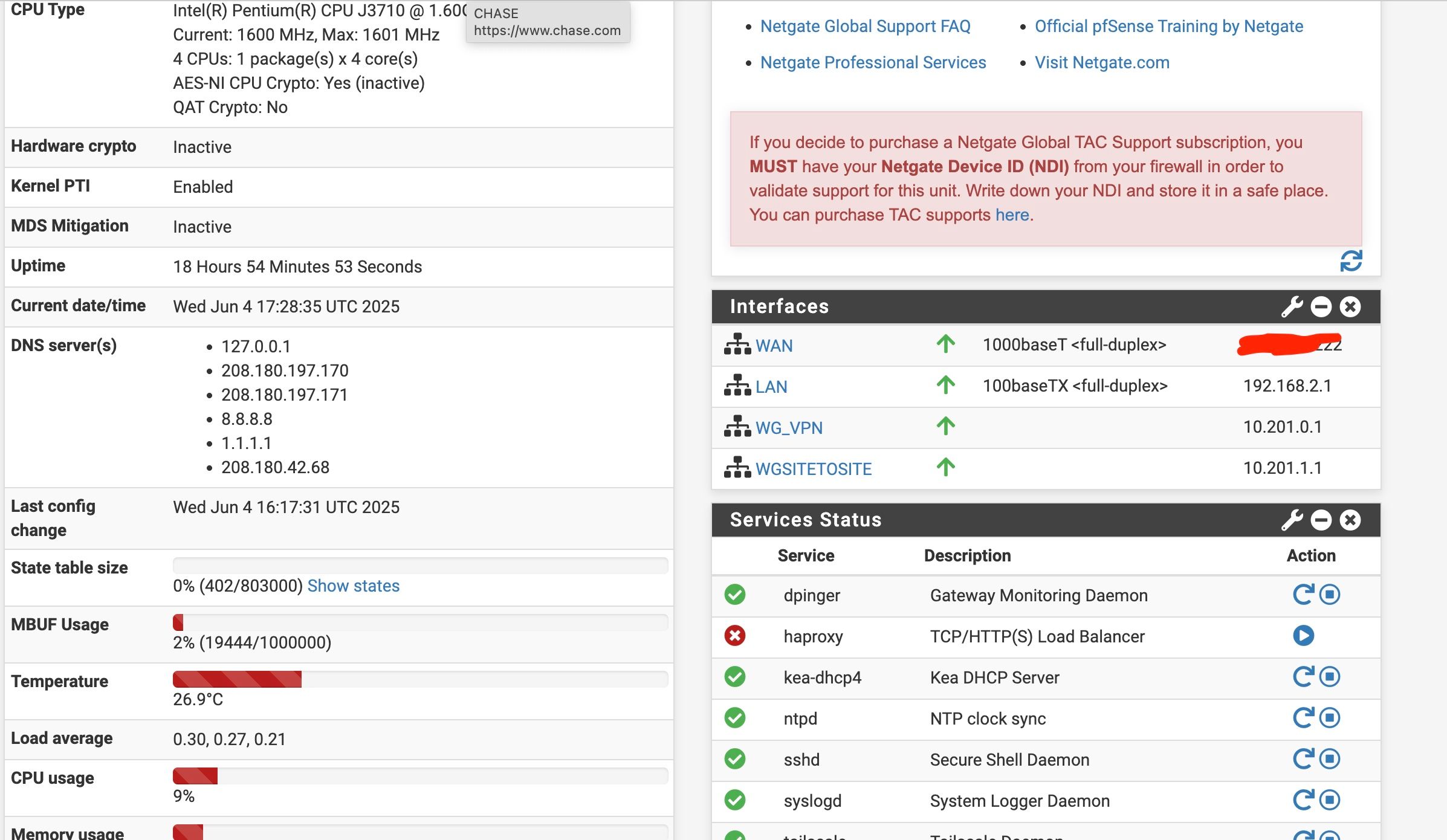
@bradsm87 Just adding that all these sorts of network appliances from China are just not optimised or supporting the Intel SoC package power management, I presume because they have cheapened out on the DC power rails, they seem to use fewer which I suspect stops the Intel SoC from powering down parts of the package or prevents lowering voltages.
I have an older fanless network appliance based on a i7 7500U, quite an old chip, this sips 4 watts at idle with three active Ethernet connections, and now we are in winter and the room is cool, its actually cold to the touch the case. Can I find anything using newer SoCs from China that will use less than 10 watt at idle (which even then requires a lot of messing around or even hacking the BIOS to get to 10 watt), no.
Even Protectli who charge a premium (probably just to cover the tooling for their bespoke cases), who source from Yanling in China have the same high power consumption issues.
My laptop with LCD screen on a low setting will idle at 6 watts at the windows desktop, and LCD turned off will drop to 3-4 watts, the exact same SoC with the same amount of memory and SSD in a Protectli appliance idles at 14 to 16 watt. It has no screen, no keyboard, no audio, no Wi-Fi, no memory card reader or web cam, but still is at wattages in the mid teens.
The only manufacturer that seems to buck the trend is Odroid with their H4 boards using Intel SoCs like the N305, where they boast headless figures of less than 3 watt, so they design and implement the SoC correctly. China factories, well they just happy sending out space heaters as they aren't paying our electricity bills.